
by Kyle Turk
September 5, 2025
Government affairs often looks predictable from the outside: Lobbyists push, legislators debate and regulators enforce. But beneath the surface, influence and decision-making operate in ways that rarely make headlines. The staff of the Natural Products Association understands that knowing these hidden levers can mean the difference between a stalled idea and a successful policy outcome.
Here are 10 insights that can sharpen your understanding of how NPA navigates the complex world of government affairs.
1. Staff drive policy
While elected officials set priorities, staffers write much of the legislation. Strong, long-term relationships with these staff can often outweigh a fleeting handshake with an elected official.
2. Regulators respond to data more than politics
Agencies like the U.S. Food and Drug Administration, Internal Revenue Service and U.S. Trade Representative may seem political, but they move faster when presented with compelling evidence. Economic models, studies or risk assessments often have more influence than partisan talking points.
3. Public comments can rewrite rules
Many assume federal rulemaking is a rubber stamp. In reality, agencies regularly revise proposals — or sometimes entirely reverse course — in response to well-crafted public comments.
4. Appropriations riders quietly change policy
In an age when bipartisanship can feel like a lost art, big reforms don’t always pass as standalone bills. Often, they’re tucked into budget packages as “riders,” making the appropriations process one of the most overlooked but powerful levers of influence.
5. States act as policy laboratories
Congress often waits to see how states handle new ideas. A successful state experiment can spark national reform while a messy rollout can stall federal momentum for years.
6. Industry unity matters more than volume
Lawmakers look for consensus. A unified industry voice has more credibility than thousands of letters from a divided sector.
7. Timing is everything
The same ask can fall flat in January but succeed in September. Aligning advocacy with budget cycles, leadership transitions or moments of crisis often makes the difference.
8. Personal stories beat white papers
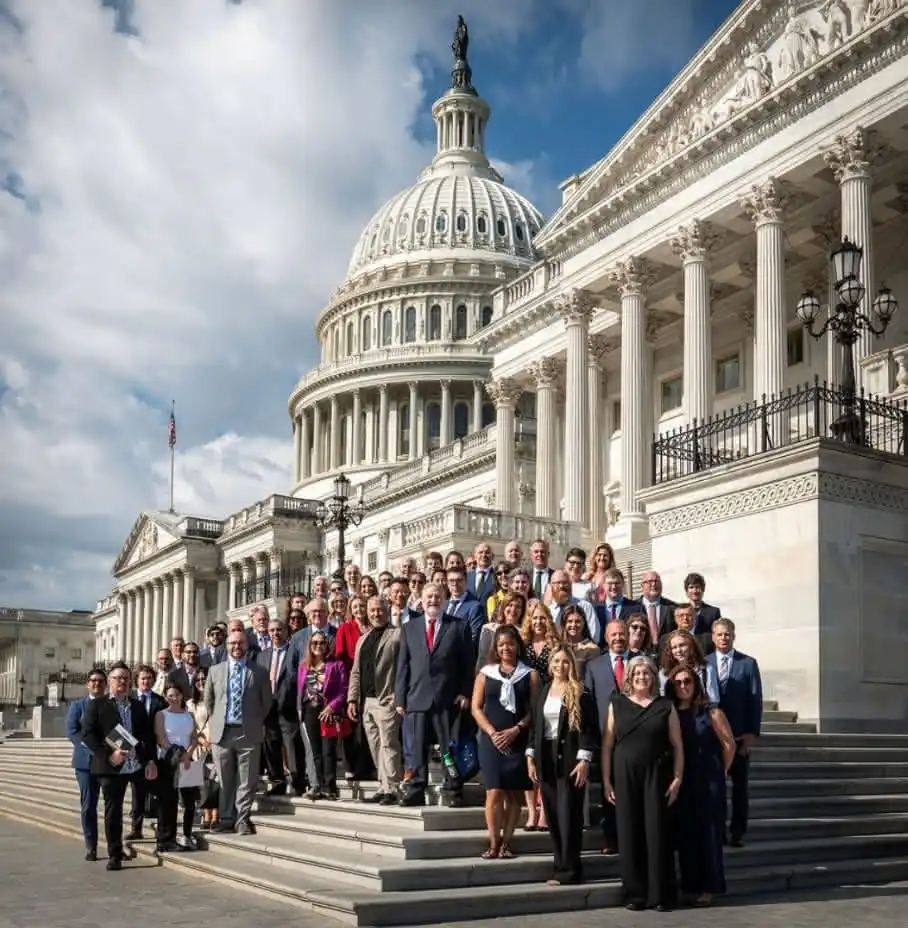
Lawmakers remember stories, not charts. A single compelling constituent story can sway a vote more than a 50-page technical analysis. Which is why NPA stresses the importance of attending our annual Fly-in Day, when our members gather in Washington, D.C., to meet with federal lawmakers and their staff to advocate on behalf of the natural products industry.
9. Bipartisan champions insulate issues
An issue with only one-party support is vulnerable to political shifts. Bipartisan champions create policy durability across administrations and election cycles. Case in point: NPA defeated FDA’s proposal for mandatory dietary supplement product listing through a coalition of bipartisan champions.
10. Global pressure shapes domestic policy
International trade negotiations and foreign regulatory actions often ripple back to U.S. policy. Sometimes, external pressure forces domestic change even when Congress resists.
Final word
Government affairs is as much about recognizing hidden levers as it is about following headlines. By paying attention to timing, building unity and balancing data with stories, advocates can turn policy challenges into opportunities.
The landscape will always shift, but these insights remind us that influence rarely happens where people expect it and often comes from the quiet corners of the process.
Kyle Turk is Vice President of Government Affairs with the Natural Products Association in Washington, D.C. You can reach him at kturk@npanational.org.